
Running a garbage truck fleet is like managing a factory that has no roof, moves constantly, and is scattered across an entire city. For decades, the software handling this chaos looked like it belonged on a floppy disk from the 1990s. Now, a New York startup is betting $16 million that the trash business is finally ready to join the modern internet age.
Key Takeaways
- Hauler Hero raised $16 million in a Series A round led by Frontier Growth.
- The company has facilitated 35 million trash pickups since its founding in 2020.
- Total venture capital raised by the startup now exceeds $27 million.
Hauler Hero, a company founded in 2020, builds the digital backend for waste management firms. They handle the boring but essential tasks: billing, customer lists, and route planning. After helping complete 35 million pickups, the company has secured new funding to upgrade its system with artificial intelligence and expand its reach into local government contracts.
The big deal
Most of us take trash pickup for granted, but the logistics behind it are often a mess. If a truck breaks down or a bin is blocked by a parked car, the central office usually doesn’t know until a customer calls to complain. The industry has historically relied on “clunky” software that founders compare to the old Oregon Trail game or the brick-sized cell phones from the 1980s.
Hauler Hero is trying to fix this “black box” problem. By modernizing the software, they aim to give waste companies real-time visibility into their fleets. This matters because efficient routes mean less fuel burned, fewer missed pickups, and more reliable service for homes and businesses. It turns a manual, paper-heavy process into a data stream.


How it works
The platform connects the trucks on the road to a central command center using software and cameras.
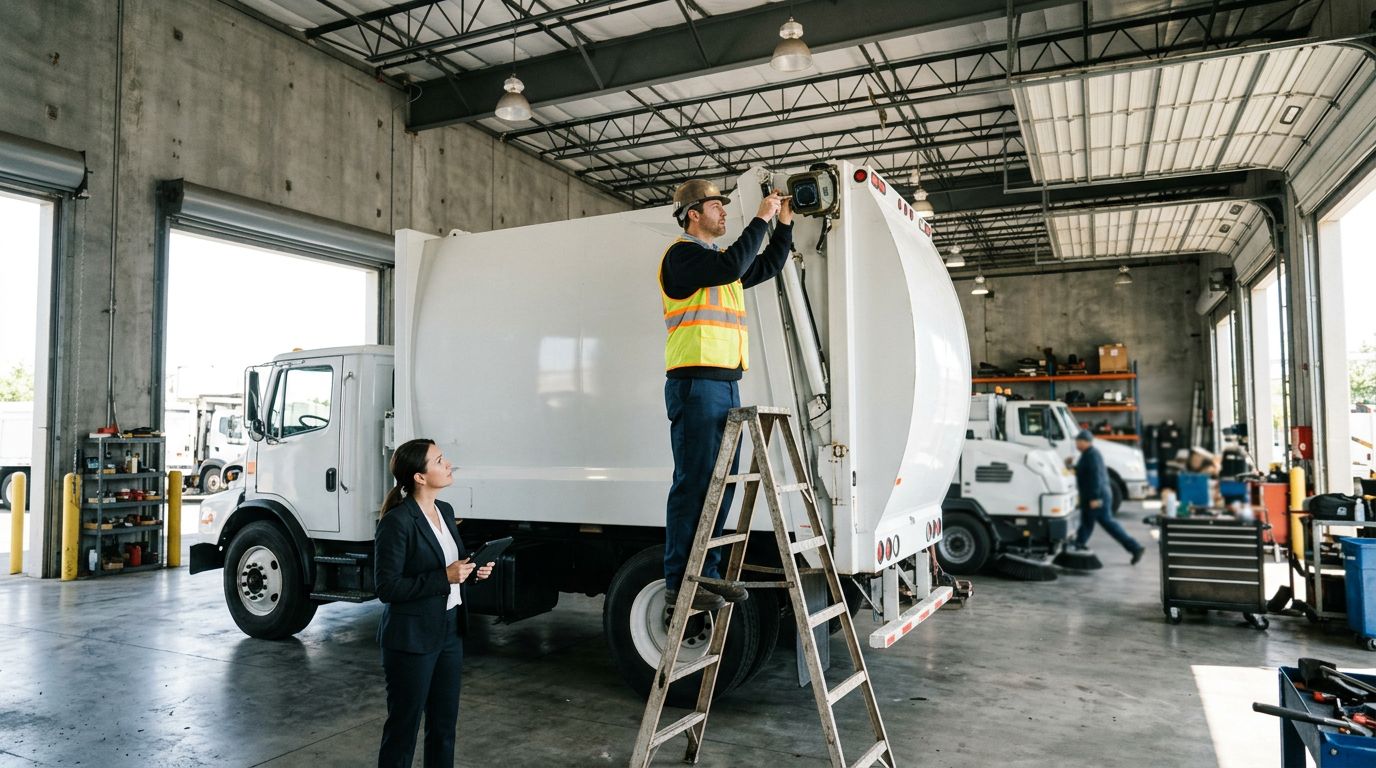
Think of it like a ride-share app, but for garbage collectors. Instead of a driver relying on a clipboard or memory, they have a digital interface that tracks their progress. If a car is blocking a dumpster, the truck’s camera snaps a picture. That image goes straight to the main office, proving why the trash wasn’t picked up and preventing a billing dispute later.
Beyond simple tracking, the company is adding three “AI agents”—software tools designed to act on their own. One tool, Hero Vision, scans images to spot service issues. Another, Hero Route, looks at traffic and pickup data to automatically adjust driving paths for speed. The third handles customer support chats.
The catch
The biggest friction point is the human element. The company admits that some sanitation workers and unions dislike the new camera systems, viewing them as surveillance tools. Nobody likes looking over their shoulder at a digital boss, even if the company argues the footage protects drivers from liability in accidents.
There is also a competitive squeeze. The waste software market is consolidating, with two major competitors, Routeware and Wastech, recently merging. This leaves fewer options for customers but also creates a tougher environment for a startup trying to scale against a larger combined rival.
What now?
Hauler Hero plans to use its new cash to commercialize its AI tools and expand its work with municipalities. The company has seen organic growth from local governments looking for alternatives after their usual providers merged. If you run a city sanitation department, you might see these tools pitched to you soon. Watch to see if the “AI agents” actually improve efficiency, or if they just add a layer of complexity to a job that ultimately relies on a truck and a driver.